Foraging

Wild Garlic

The Bluebells are out and with them are the Ransoms (wild garlic – Allium ursinum) one of the best foraging treats in spring (in my opinion anyway) it grows in shady areas and broadleaf woodlands. You can often smell a hint of garlic in the air before you see them.
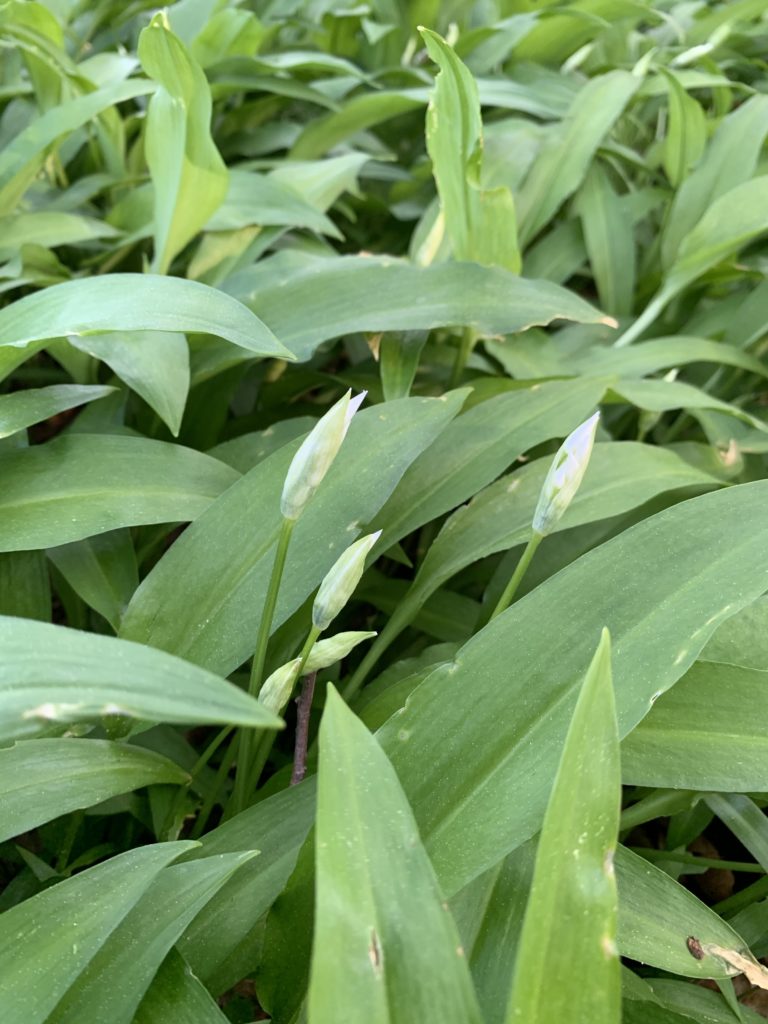
I have just gathered some to make pesto, in photo you can see the flower’s just starting to come out. Depending on your taste the strongest garlicky parts are the flowers with milder flavours in the younger leaves.

So identifying them is all about there smell, however, growing among them can be some poisonous plants whose leaves you may pick by mistake (such as Lords and Ladies, Meadow Saffron and even bluebell, there leaves are not the same shape so sort through your forage just incase). If you are gathering nearer built up areas do take extra care you are not picking any Lily of the Valley as their leaves are very similar and very poisonous. But just remember before eating just be sure that the leaves when bruised smell distinctly of garlic. If in any doubt just don’t eat them. I will put together a poisonous plants post this week.

So identifying:
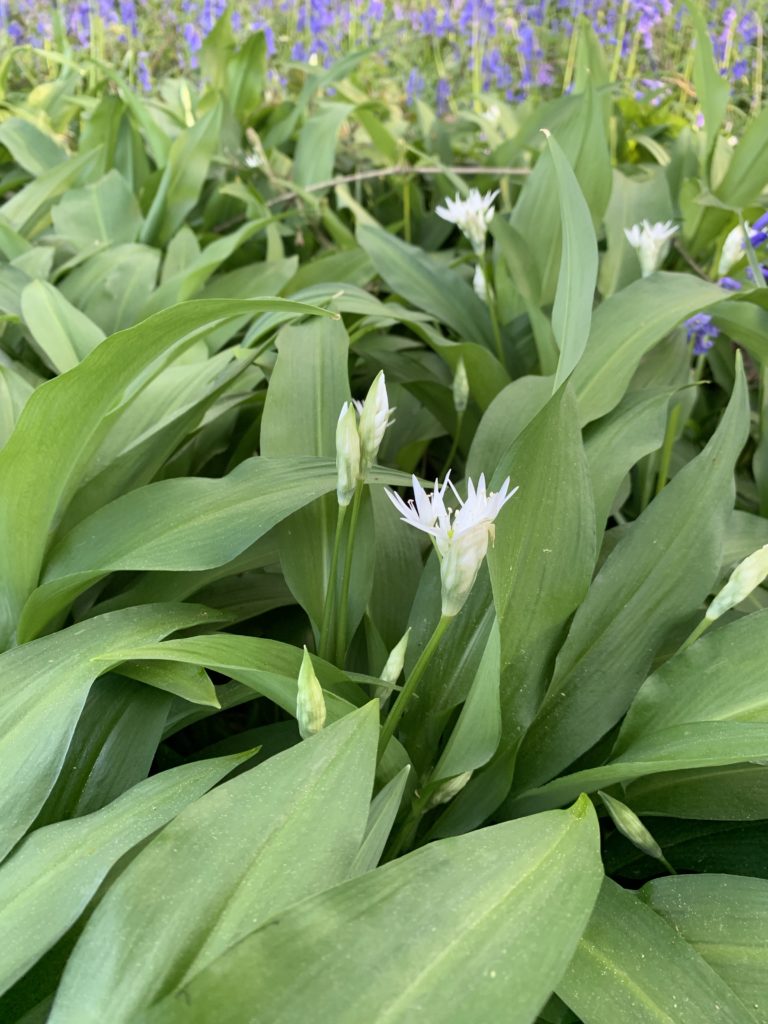
Leaves pointed, elliptical and soft damp texture, flowers white, star like, 5 petals, ball like spray when mature, all part even roots smell of garlic.

Just like garlic they have some beneficial properties in aiding digestion, antioxidant properties, so helping boost immune system, and was even used for wounds and as an antiseptic.

But do try the pesto:

Throw into a blender, 50g washed leaves, 30g of pine nuts (or any fatty nut), 30g Parmesan cheese (or any hard cheese) and 80ml Olive Oil, salt and pepper to taste.

Please Read the disclaimer before trying any wild foods, yes i know but we live in a litigious society now, and common sense is not taught in school.
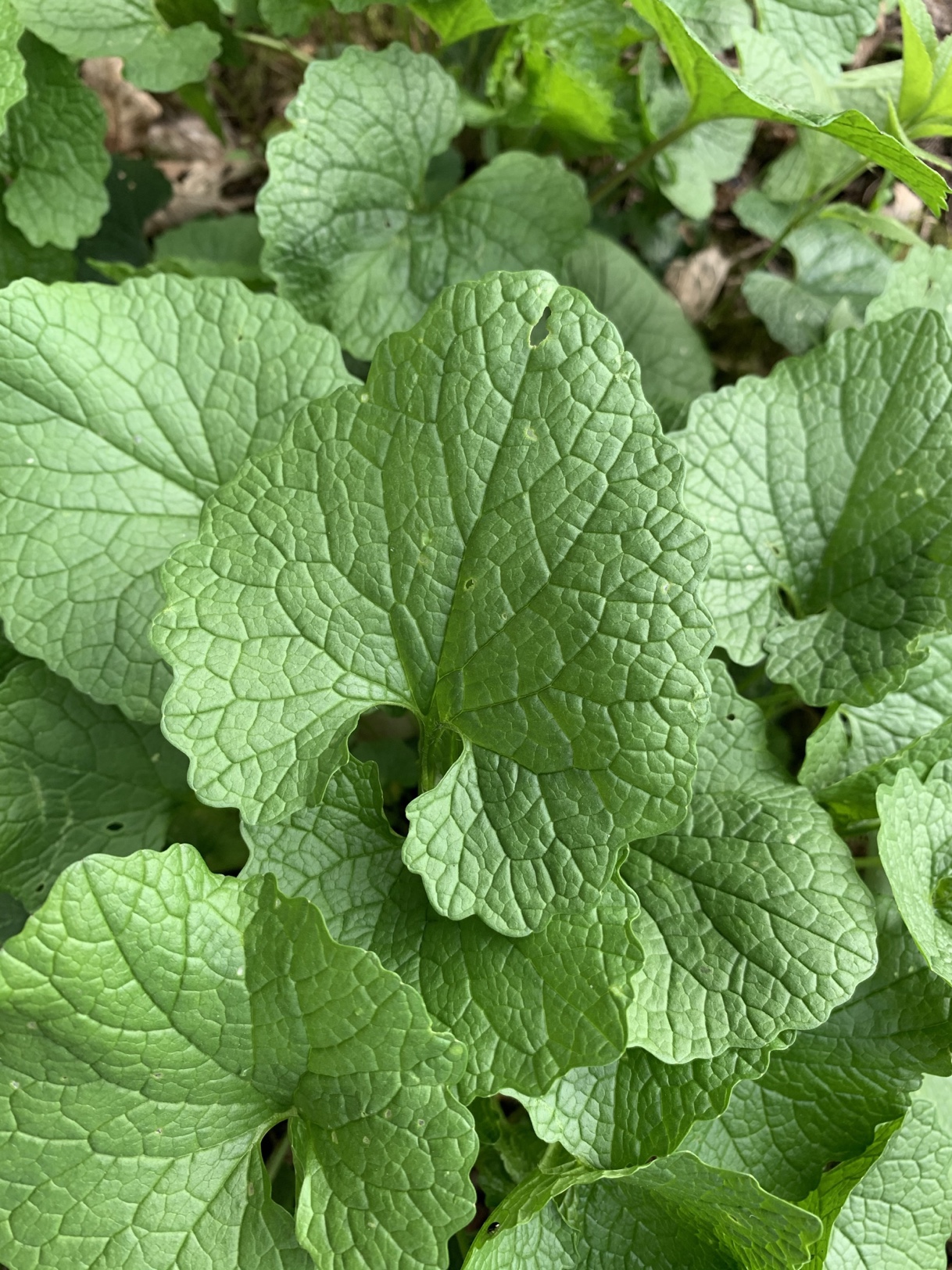

Jack by Hedge

There are many we usually ignore, or treat as weeds, growing through the cracks in pavements or invading those town & city parks and gardens, however they are now able to go a little wild with no councils at work. So over next few weeks I will see if I can find a plant a day or something else our ancestors would have found useful that you can find while out for your ‘one walk a day’. So first up is “Jack by the Hedge” also called Hedge Garlic, Hedge Mustard, Garlic Mustard (Alliaria petiolata) this is really abundant at the minute.

When bruised or chopped the leaves give off a distinct garlic smell and when nibbled also taste of garlic. I have also found some already flowering and the florets also taste of garlic, even the roots. This is the plants defence mechanism as generally animals don’t like garlic, but unfortunately for the plant humans do.

They are best eaten raw as a lot of the flavour disappears when cooked, so a few leaves in a sandwich or salad are great. But get inventive try it in soup or sauces.

This plant is easily identified by the garlicy aroma when bruised. But before you munch it make sure of the following:

  • Leaves are hairless – Heart shaped lower leaves, a little more pointy like a nettle in the upper leaves
  • blunt toothed edges
  • flowers (if developed yet) four tiny white petals
  • if it looks radically different to the photos above and if bruised between your fingers doesn’t smell of garlic I would say it is not the right plant and should be avoided for now.

About W.I.L.D

Wilderness Imagination Learning & Discovery

Being out in nature is a magical experience but modern living removes us from it more and more. So, our mission is to get people to reconnect with the fun and adventures they can have outdoors. With the hope that this might make people value and protect the natural world rather than just exploit it…

Contact Us

Wildlore
Saffron Walden
07967 393 272

davidmenell@gmail.com

Monthly Updates

We will send you a monthly update about which wilds foods are in season and tips on safe foraging, and we will keep you posted about upcoming courses.